
The Uncommon Leader Podcast
Are you ready to break free from mediocrity and lead an extraordinary life? Join us on The Uncommon Leadership Podcast as we explore the power of intentionality in personal and professional growth. Our podcast features insightful interviews with inspiring leaders from all walks of life, sharing their stories of overcoming challenges and achieving greatness.
Discover practical strategies to:
- Think positively and cultivate a growth mindset
- Live a healthy and balanced lifestyle
- Build your faith and find inner strength
- Read more and expand your knowledge
- Stay strong in the face of adversity
- Work hard with purpose and passion
- Network effectively to build meaningful relationships
- Worry less and focus on what matters
- Love always and make a positive impact
In each episode, we'll dive into relevant leadership topics, share inspiring stories, and provide actionable steps you can take to elevate your life. Whether you're a seasoned leader or just starting your journey, The Uncommon Leadership Podcast offers valuable insights and practical guidance to help you achieve your goals and live your best life.
The Uncommon Leader Podcast
Season 2 Episode 1 - Rick Morrison
Use Left/Right to seek, Home/End to jump to start or end. Hold shift to jump forward or backward.
Glad to have you back, Uncommon Leader Podcast nation. My guest today on the first episode of season two of the Uncommon Leader Podcast is Rick Morrison. Rick is the founder of Inspired Policing Solutions. LLC, a consulting and training company geared toward impacting organizational transformation and community culture change.
Rick had a long career in public service and retired with the rank of captain after 22 years at the police department in Roanoke, VA. I'm proud to call Rick a friend and you're going to love, love, love his story today about the transformation of a once crime ridden nightclub that is now a thriving community solutions center.
I got chills a couple of times, as Rick told this powerful story of uncommon leadership and uncommon. Listen until the end to learn about an opportunity to get a free copy of Rick's book Change Is Possible - Building trust with communities through strategic partnerships.
You can stay in touch with Rick in a couple ways:
Website
Facebook
Please share the episode with someone you know who would find value in the podcast!
To subscribe to the podcast or catch up on past episodes go to www.growingchampions.net/podcast
Thanks for listening in to the Uncommon Leader Podcast. Please take just a minute to share this podcast with that someone you know that you thought of when you heard this episode. One of the most valuable things you can do is to rate the podcast and leave a review. You can do that on Apple podcasts, or rate the podcast on Spotify or any other platform you listen.
Did you know that many of the things that I discuss on the Uncommon Leader Podcast are subjects that I coach other leaders and organizations ? If you would be interested in having me discuss 1:1 or group coaching with you, or know someone who is looking to move from Underperforming to Uncommon in their business or life, I would love to chat with you. Click this link to set up a FREE CALL to discuss how coaching might benefit you and your team)
Until next time, Go and Grow Champions!!
Connect with me
Glad to have you back. Uncommon leader, podcast, nation. I'm your host, John Gallagher and my guest today on the first episode of season two of the uncommon leader podcast is Rick Morrison. Rick is the founder of inspired policing solutions. LLC,, consulting and training company geared toward impacting organizational transformation and community culture change. Rick had a long career in public service and retired with the rank of captain after 22 years at the Ronak police department in Roanoke. I'm proud to call Rick a friend and you're going to love, love, love his story today about the transformation of a once crime ridden nightclub that is now a thriving community solutions center. I got chills a couple of times, as Rick told this powerful story of uncommon leadership and uncommon. Hold on until the end to learn about an opportunity to get a free copy of Rick's book change as possible building trust with communities through strategic partnerships. Now let's jump in. Rick Morrison, glad to have you on the uncommon leader podcast and real excited, just to get a chance to catch up with you as a friend. And I know we've both moved away from Roanoke, but it's a good chance to get back together and have a conversation about how things are going, how you doing today. And I'm doing fantastic, John, you know, I woke up this morning, so I'm already blessed and the day has already. Absolutely. It's the small things that we can be grateful for. And when we can do that, we can be successful as well. So I appreciate you being a guest on the podcast, looking forward to hearing your story, but I always start off each guest with the same question so that my listeners can learn a little bit more about you. And I'm curious if you could tell our listeners to share a story from your youth that really still frames and impacts who you are today as a leader and as a. For me, mine's going to be a little bit of a silly one, I guess, because when I was about eight or nine years old, we against my parents' wishes, got a dog. His name was BJ. It was my dog. It was my pet. And over the years we had BJ for probably until I was about 13 years old. So this dog meant a lot to me. You know what I mean? It was just a lot of times going through the awkward ages, you know, not having. BJ was my friend. He was my, as my dog, my pet. And unfortunately one day I came home from school and BJ, my dog was laying in the yard and that had such a massive impact was up to that point in my life. I'd never really experienced death. My parents were still living. Thank God my grandparents were living at the time. So I never really experienced. True loss something or someone or something that close to you and that a dramatic impact on my life as far as losing something. So dear to me, but I think the bigger life lesson to that was how my father, which is my, which is my earthly hero, how he taught me in that moment of loss of the power of grief. But also the power of moving through that grief and to honoring a celebration that either a person or even my pet life and how that, how you can move on and grow from that. And I think that was probably at 12 or 13 years old being taught that life lesson from my hero, my father to experience such law. What's under fully understand that loss is part of life. Grief is part of life, but I think more importantly is how we handle that grief, how we turn it into growth and joy and move on and how that impacts other relationships. So it may sound kind of corny, but that was probably what as a youth, one of the greatest lessons experiences for me that has still impacted me today. About even when we do lose or only grief that there's joy on the other end is really based on how we respond to that. Amen brother. Well, I don't see that as a, a corny story at all in terms of you going through it. And I think there's so much there, not just the, the movement through grief, but also the, the model of leadership that your hero that your father was to you in that time and teaching you how. Potentially teach others how to move through that as well. When I think about the essence of growing champions in the name of the company, that is really what it's about, that we grow champions who grow other champions. So you're able to share that story and thank you very much for sharing a story, even, even for when you're young, but also know that that has an impact on others as they go forward. So I appreciate you sharing that. And I think our, I think the listeners will appreciate that as well. We're trying to keep this on time. No doubt about it. I'm not trying to rush us through it, but Rick, you've got a story to tell. You've got a book you've authored called change possible. And at the end of the segment, I'll talk about how our listeners can get a chance at winning a free copy of that and sending it over to them. And we'll talk about the book in terms of the process here in a minute, but, but the way that you and I were able to we'll use specifically, but the way you shared with me, the story behind this book, I'd love for you to share in just a couple minutes, that story, if you will. And I know that's hard to do in a couple of minutes, but, but how you were able to make such an impact in your community and your role as a police officer, as a captain. And the city of Roanoke and just some, some of the story that led up to really that the writing of this book and how it frames you today. Now I'll be quiet and let you go. Cause there's so much to it. Yeah. Well, thanks John, for the opportunity again, and I'll, like I said, I'll try to do the 50,000 foot level and then we can, so maybe some kind of dissect that a little bit afterwards. So one of the first things I want to, I want to really highlight with this book and with this experience, Remember this as for your listeners change always demands a starting point. Change, always demands the starting points and for this community project that change that starting point was me. So in a city of Roanoke located in Virginia, we had a a location, a. That was during the day restaurant, but at night on weekends, it operated as a nightclub. And unfortunately it was one of the most, it turned into one of the most violent locations in the entire city of Roanoke shooting, stabbings, gang members, drugs, alcohol, you name it. And it was just an eyesore within that community. And that community was already sensitive from historical. Being oppressed, economically socially. So that was just another, I would just add more salt to the injury for this community. This eyesore does nightclub and we use traditional policing methods to try to control the crowds. And we eventually over time was able to shut down that business, but that only lasted for a few months and the owners were able to navigate through the The gaps of the laws and opened up again under a new name, but the same business model and the cycle continued again, violence, shootings, stabbings businesses in that community started, started closing down and moving other places because of the you know, because of the perceptions, because of what was happening, people that lived there for 30, 40, 50 years, and that humidity started leaking. Because they were tired of straight bullets comes to their door for the bedroom windows. So it was a mess. So one location had that much impact on a community. And again, as traditional policing, we responded and wrote reports, you know, did search warrants. They're all what we did traditionally. And we shut it down for the second time. And here's where the transition took place for me. One day. Myself. And at the time chief Jones, we were participating in a, in a, in a prayer walk with other pastors about five blocks from where this location is business was this restaurant. And after we get done prayer, walking with these pastors for that neighborhood, I walk, I turned down the street and looked out. I was standing across from this building as nightclub. That was shut. I turned to the chief and I said, chief, what if, and that's where the book title came from chief. What if the next time these doors opened back up? It wasn't a nightclub, but something that did something that would be beneficial to the community here. What if and so the chief turned back to me, he says, Rick, I'm going to challenge you then. Be the difference and make a difference because it's obviously going to take more than just police response to make a change. And so that's where as the book will highlight or does highlight, I've learned some, some key principles in leadership and there's four principles to really support change. And, you know, so. By having that desire that first step, the first principle is, do you have the desire to not just change yourself, but also to change others, whether it's being employees or your community. So that's really, the first principle is the desire. Do you have the desire as a leader to look within, to self reflect? Do I need to change first then that second question is. Do I need to help impact lead change my employees and or my community principle one. And that principle number two, in this, in this project that I initiated was as a leader, it can't be the Rick Morrison show. So oftentimes when you go to seminars and leadership, or you go to trainings about leadership, they talk about vision and leaders. We are great about creating a. And I think that's important, but what I had learned and discovered through this project as community engagement project is that it was not just a vision, but a unified vision. And I think that has such powerful impact because what a unified vision is, it goes beyond just me as a leader, I'm now involving or empowering my employees or my community to become part of the solution. So the second principle is building a unified vision, not so much a single vision. And that third one really is once you build that unified vision, you're then empowering your employees or your communities to take ownership, right. Is to have a stake in the game because when you feel that you have a boy. When your feedback is received, when you when you contribute, you feel more part of the process. So no matter what you're dealing with as a leader, whether it's a project or trying to change your corporate culture, you know, I call it the three E's in that book also kind of goes over the three E's you engage, you educate. And then you empower whether the bigger employees or members of your team. So the three ease of change, you engage, you educate, and then you empower. So I was the third principle that I learned through this project and that fourth and final one is measure or measuring what matters a lot of times, especially in organizations we get so caught up in and I can really attest to the policing. Perfect. We get so focused or caught off on prime numbers and crime stats and a productivity. I may take a stitch to write him a arrested you make for the, for the month. And those are important, but if you really want to impact change, if you really want to build trust and transparency with either your employees and or your communities, you've got to find other matrix to measure. And that's why it comes out with measuring what matters. Because a lot of times the stats or the bottom line numbers don't often reflect your successes. So you can measure, like, I'll use a real quick example in the policing world. So how most or many police departments and organizations in law enforcement measure their success is by their crime numbers. Every year. They, they put out prime though. Well, if, if you're using crime numbers as a measurement of your department's success, how good were you at policing? Most departments are failing miserably because if you look at their crime numbers over a 2, 3, 4, or five-year period, there's a lot of there's a little change. So from a community's perspective, if the organization is going to use numbers to measure success, As a customer of your policing services, you're a failing miserably because if you really cared about our community, those numbers over those over those years would be changing or decreasing. And a lot of times they're not. So that's why I call it death by numbers. So as an organ, as leaders and organizations, whether it's law enforcement or even the private sector, you've really got to be careful with what are you measuring? Your success for or in. So that fourth principle that I learned in this project was measure what matters even beyond numbers or stats. So for me when I first started this project, there was very little trust between community and police. Very little trust because of historical, historically issues in that communities with race relations and everything else. Throughout that project, as that project matured and progressed, the trust came back between police and citizens, your stats or crime numbers will never capture that. So that fourth principle is so important for leaders, especially in businesses is measure what matters. Yeah. So th th it's so important. Gosh, Rick, thank you so much for sharing that. I mean, and as I listened to it, those four steps that desire to change a unified vision, empowering a community and measuring what matters, all four of those things. And it's to, you know what I'm hearing you say, as you go forward is a, there's an order to it. Somebody's got to have a desire to change. There's gotta be a catalyst. And that person was used. So I believe that community should be grateful to you for being that catalyst. Now we're both men of faith, which is pretty powerful to us as well. And the fact that that idea came to you as part of a prayer walk, I don't believe is coincidental. That was, that was put in place for you for a purpose. And a calling that said, Rick, you need to make a difference. I just believe that. But the, you know, so it's one that you have to have all four and it's second that you have to have it in that order. So once I have desire to, so let's, let's paint the picture of what it looks like, then a unified vision, what it means. And, you know, I think that in and of itself is a challenge and I want to stay on the story because the third part of the empowering of the community, like it, can't just be, you. It's got to be a unified vision as you talk about it. Tell me about how you did that with the community that had lack of trust. How did you get them to unify around that store? Yeah, so so when I said, when I got challenged or I challenged myself and say, all right, what if, you know, what did this, this opened up something different. And so one of the, one of the first things I had to do was to identify, and now for me, I've worked in that community for 20 some years. So I already knew. I already had some relationships already built and established with stakeholders in that community. So I go back to leaders in other organizations, you can't know your people until, you know, you can't grow your people until you know your people. So you have to have those built in relationships. You can't wait for a crisis to take place then in the midst of a crisis to try to build trust and transparency and relationships, right. Because when there's chaos taking place, It's very hard to build relationships, especially with trust. So the takeaway for me was it made this project a little bit easier because I've already established over the years, relationships with key stakeholders in that community that was faith based. It was business owners. It was single mom, Sean and raised three children, right? People who had ownership, who had, who desire to see positive change in their community. Those are my stakeholders. So I didn't try to, I didn't try to win over everybody in that community, but I want to start with folks who I knew had the desire. Did they want it better for their communities? And that I already had the relationships built and that's where my starting point was. So the first point was that I changed myself. I had to change the way I thought about policing. I had to humble myself to know that police were not all not the answer. It's going to take more than just. So I'd humble myself. First start with may change and then identify those key stakeholders, those partners that I can approach with, what if, and I showed them the need, you know, and they already knew firsthand the need for change from that, from that location, that restaurant, that nightclub, they do that. So I was able to share with them the data, I was able to share them the impact that it had on their. And it just reinforced their understanding and belief that yes, we agree. Rick, something needs to change and it can't be just from the police. It's gotta be from us as community members. So I started with a small group of stakeholders and together through me sharing and being humbled, we developed together a unified vision, meaning not. The police department wanted to see, but what do you as a community want to see from this building? If it opened back up again, not as a nightclub, what would you as a community want to see from that? And that's where that unified vision came into because they were very intentional. They said, Rick, if we could open this back up, we would love to see some type of a community resource center where we could as a. Go to the center and maybe, you know, learn a job trade. There's so much food insecurity in this, in this neighborhood where our children don't have access to food, or even we don't. So we're in a food desert. We would love to have a place where we could maybe get food to supplement. We would love a place where instead of going downtown Roanoke, To make a call to the police. I would love, we would love to have something that in our own neighborhood where we can dialogue with police have a neutral location, if you will. And so they were very specific. They're very intentional what they wanted based on their needs. And so in leadership, I quickly learned that once you're able to bring the right people to the table and once you're able to. Great that spark of change and start building a unified vision is when you start seeing your employees or your community moving in the right direction. For me, it was to get out of the way it wasn't to abandoned, but for me to step aside and let the people take the flag, the proverbial, fly the battle flag and let them carry it up the hill because you have now. So I've learned one of those quick lessons in leadership was once you build that unified vision, once you identify the right people and they're motivated and they know the clear direction to move forward as leaders, we need to step up, we need to step aside and let your community, or your employees take the lead, but not abandoned. And so it was just an, and you mentioned this, John, do you know of men of faith? Christ was at the center of this project because what I didn't tell you is at that time, when the chief and I were standing across the street from that nightclub that was closed, I went back up to where the pastors about there's about eight pastors, local pastors that were still up in there talking to. I went back up there and I challenged though. I asked each pastor, I said, would you come down with me? And this is a hurdle. Cause I'm in, you know, I'm in, you know, this I'm a cop know, cops don't do this kind of stuff. I asked them to come down with me into circle, the side of that restaurant that was all beat up and bullet holes in it. Let's circle around this side, hold hands and let's pray. For God's will to be done. And I didn't know at the time, but a Ronald Tom's reporter was in the area kind of covering that prayer walk and she just happened to be in the right area. And she took a picture, which I didn't know, she took a picture of me and the other pastors around that sign, praying for God's will to be done for this business, for this community and for a change to take place. So for me, as a believer in Christ as a leader, everything for me focuses around my relationship with Christ, everything, my faith, everything. So yeah, I wish I could say that. Yeah, I'm successful because of what I've done because of the training that I received from the mentoring that I received from others. And that's true, but I base my success totally upon. Christ. Amen brother. And and as a leader, I just, for me, a lot of times I deal with a lot of organizations. I deal with a lot leaders and mentoring and coaching and teaching. And there there's so many people that I meet, unfortunately, who don't have Christ at the center of our life. And for me, leadership is difficult. Life is difficult, and I couldn't imagine living a life. Or even being a leader without Christ. So I don't want to, I don't want to get preachy, but I just, for me and my life, that is the center of my foundation. Rather that's not preachy. That's, that's foundational. That's true. And that's what we, as again, even as, as men of God and as men in the community and really members, and it's not just, just for male leaders, but as leaders of organizations, as leaders of communities, as leaders of families know that Philippians four 13 is clear. I can do all things through Christ who strengthens me. It's not about being able to, by doing that, I can do any job. I want to it's about relying on the strength of God to help us get through those tough situations because leadership is tough. And, you know, when we can have that to fall back on, that's absolutely powerful. So to me, that's not preachy, that's foundational, that's building a faith to see all my sign in the back of my office here. As we look forward, we don't have the video version of this, but that's really important. And I mean, Rick, there's, there's so much in the story. I know we could do this again and go. I am curious, lastly, on the measure, what matters, what were the outcomes of the work that you did? I mean, because again, that story about standing around with the pastors, praying about it and the work had to be done. There's no doubt about it. What's, what's different now in that community, over the outcomes. Wow. So fro, so for a first of all, from the police side we go back to those numbers and you've been more careful with that, but I think there's some brilliant. So at one point, I told you this, this one location was the most violent location in the entire city of Roanoke show shootings, stabbings, drugs, alcohol fights, you name it. When that new building opened up as the community solution center, even to this day, there's been zero calls for service. Thinking about that from an organizational perspective. And that started in 2017, that project kicked, I believe in 2017 and it's still functioning today and it is zero calls for service. There has been no violence, no shooting, no stabbings. Amen. So just for my organizational of resources and assets, how much that was freed up. Right. So that was from the police side of it. That was a measurement of. From the community side of it. It was very noticeable that trust was already starting to get re-established between the police and the community because the community starts seeing police more involved, more engaged. They started seeing their community. And I, I S I started using a different word. Now, John, in about a year and a half ago in my leadership training is I no longer refer to. People as community for me, I use the word customers and I won't get off track real quick, but just the reason why I use that, that verbiage now is because the policing profession is a customer focused profession. We protect and we serve who are our customers. So it's really not just community, but we have to look at from an organizational standpoint, Is that our community, our customers. So I want to start using that verbiage is when I refer to community, I'm really referring to customers. So you really have to again, you'll have that engagement with our customers. So our customer level of trust between them and police increased greatly, they became more involved with our organization. They volunteered. They were more apt to call police because of suspicious activity. And so that's another measurement that often gets overlooked, right? Is you have people, our customers now more engaged. And then the changes that took place in the community. You start having businesses move back. You start having people moving back and buy houses, not just renting houses. You add people, we have different programs. You had people that were coming out of incarceration. That through this solution center, we had a culinary arts jobs training program, right? And so the students who were learning how to become chefs during their class door and their kitchen time, they were preparing meals, hot, fresh, healthy meals for children who were at risk. So now we're at a point where they're producing between 700 and 800 meals a day. Wow, hot, healthy meals to serve that communities, children who are at risk of not having food. That's a huge measurement that is so huge. 700, 800 meals, hot meals a day for a small like that. Wow. And so, yeah, and I, you know, again, I, I give honor to God, of course, and then I give credit to the community because again, you know, they had skin in the game and this is what they wanted to see. So I go to, I translate that back to leadership and other organizations is as leaders. How are you inspiring your employees? What can, I'm all about culture? Obviously, that's the book, the cost of culture. We all know as leaders, you know, culture eats, policy, culture, eats training, culture, eats procedures, and so really as leaders, what kind of culture? Have you, or are you creating, did not just impact your employees, but the ultimate impact your customers. Amen, brother, I'm not. I keep saying that. I mean that, in terms of that truth, that's there, Rick you've, you've made a lasting impression. You know, folks may not know you don't live in that community anymore as well, but you know, the fact that that outcome. Has been, let's say sustained and or improved because the number of meals being made over the last five years is pretty powerful. And it says a lot about the leadership that you had to catalyze to ignite from a simple, what if statement five years ago in terms of what you wanted to do? I often define that difference. A common leadership to uncommon leadership is doing common things, your job in an uncommon way, which you did by engaging the community. So thank you for that. And I hope others hear their story and say, you know, how can I really support. That, that word and what is the potential of that story? So I'm going to put a link in the show notes to that story as well about the community center that you built there in Roanoke, so that folks can learn more about the story. I also know that again, you've offered to give a copy of your book away, change as possible. So I'll, I'll ask that the listeners who are interested, send me an email, john@growingchampions.net, and we'll get your name into a drawing for a free book. And then Rick tell them, tell them where they can stay in touch with you as well as a, this e-book that you have available to them. How can, how can people stay in touch with you? Yeah, I would love for you guys, your listeners to reach out to me. I have a website and it's all one word inspired policing solutions dot. That's my website has got my books on. There has got things I offer far as training. I do consulting. I would love to come out to your organization, to your community you know, and talk about these principles and to really empower and to engage and to educate and to really implement that change. Also my email address is all one word. Rick Morrison, the number8@gmail.com. I love for you to email me as well. And I don't mind because I am full access. Assessable I'll even want to drop in my cell phone number, job that's appropriate. I think if you want to put it on there, if you, if you feel okay with it, I mean, I'm okay. I would love for people to call and just, I love just talking to people, being with people you know, and maybe just sharing some insights. So my cell phone is five four zero three one two. Two to six five. So there's three different ways you can get ahold of me. Smoke signals work too. If you want, on the lake down there on a boat boat and honk at you. Okay. That'll work too, whatever it is, whatever you can, I would love to meet and engage in dialogue with each of your listeners. Excellent. Well, we'll wreck again. I appreciate your time today. I think, you know, Them listening to this, this half hour call, we could we'd get a gone on for longer to learn more. So I hope that they engage and reach out to you in one of those three ways that you talked about. Again, I'll put the links inside of the show notes. So you have it available as well. And if you go to his website, he's also offering a free copy of his ebook that he has. And I apologize to the Rick, then the name of the ebook is cost the cost of culture. So it's something that you can use to learn a little bit more. About Rick and about the services that he provides and really some of the ways that he thinks and does his work. Rick, I appreciate the time that you invested with us today and I appreciate catching up with you. I appreciate your friendship and all of those things were, so I hope that I hope that you stay well. And I look forward to hearing from you again, John, thank you so much for the opportunity and to your listeners. We just want to encourage them to be the change. Thanks, Rick, take care. Thank you. Wow. What a conversation that was, there are so many takeaways to Rick's words, his actions resulted in seismic impact for that Roanoke community. I got to see it firsthand a couple of years ago, and I know that changes by. My uncommon moment in this podcast was when Rick asked the question, what if the simple and the open-endedness of that question allows for uncommon idea generation to come into play? I know that this can be a model for other communities to adapt. And if you know someone who needs to chat with Rick, share their story with them and tell them to get in touch with him, he is ready and willing to help. I have Rick's contact info in the show notes. He has kindly offered to give away a free copy of his book to one of the listeners of the uncommon leader podcast, where he outlines the four principles to support change. You can be eligible for that drawing by sending me an email to john@growingchampions.net with what if in the subject line one lucky winner will be selected to receive a copy of his book and I'll mail it out. I hope that you enjoyed this episode of the uncommon leader podcast. Please share it with someone, you know, who needs to hear this inspirational story to listen to all the past episodes, go to growing champions.net forward slash podcast and subscribe on the platform of your choice. My question to you is what are you going to do as a result of hearing this podcast today? I hope that it inspired and encouraged you to strive to be uncommon in your family workplace or community. Drop me a note to let me know what you thought and what you did now. Go and be uncommon.
Podcasts we love
Check out these other fine podcasts recommended by us, not an algorithm.
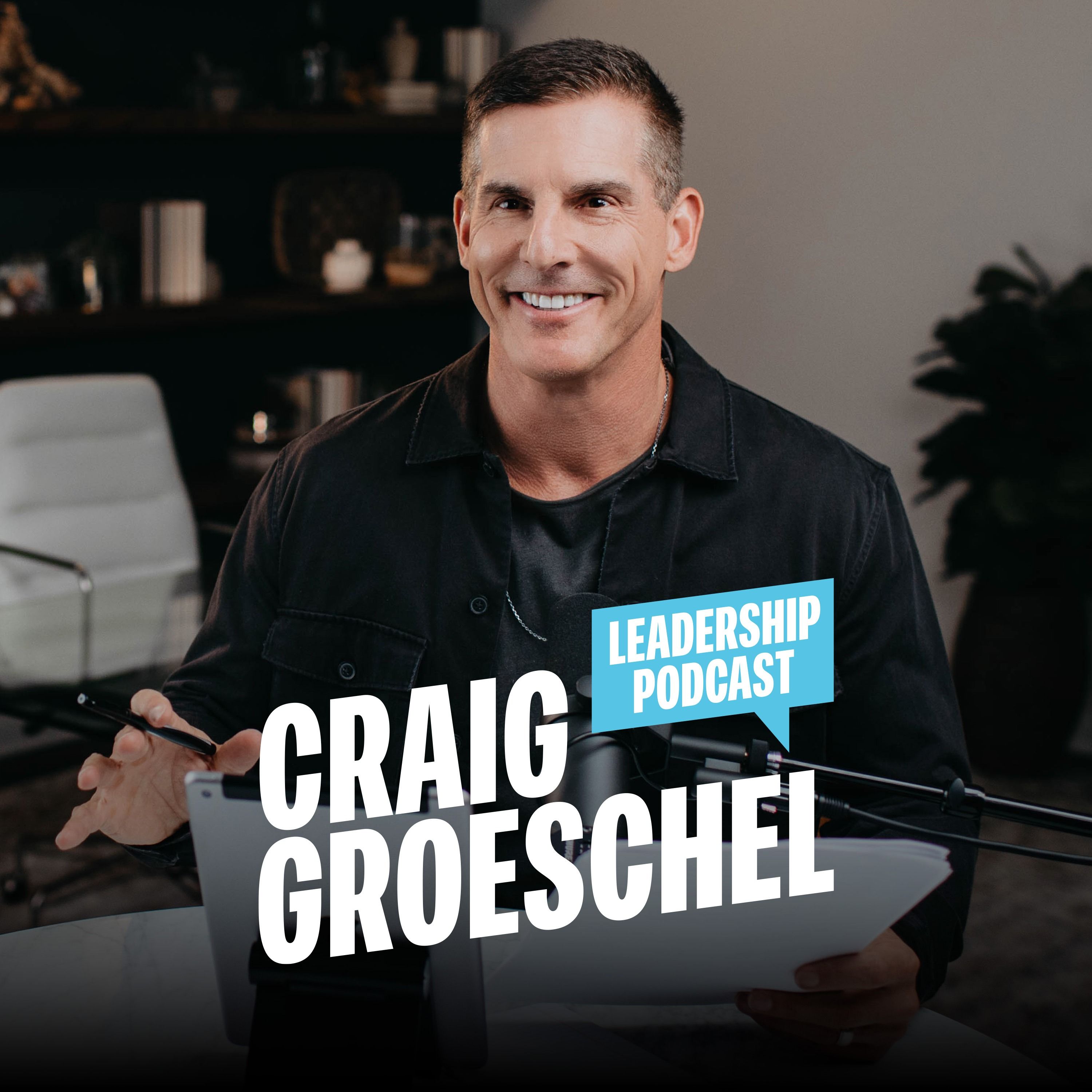
Craig Groeschel Leadership Podcast
Life.Church
Win At Home First
Cory M. Carlson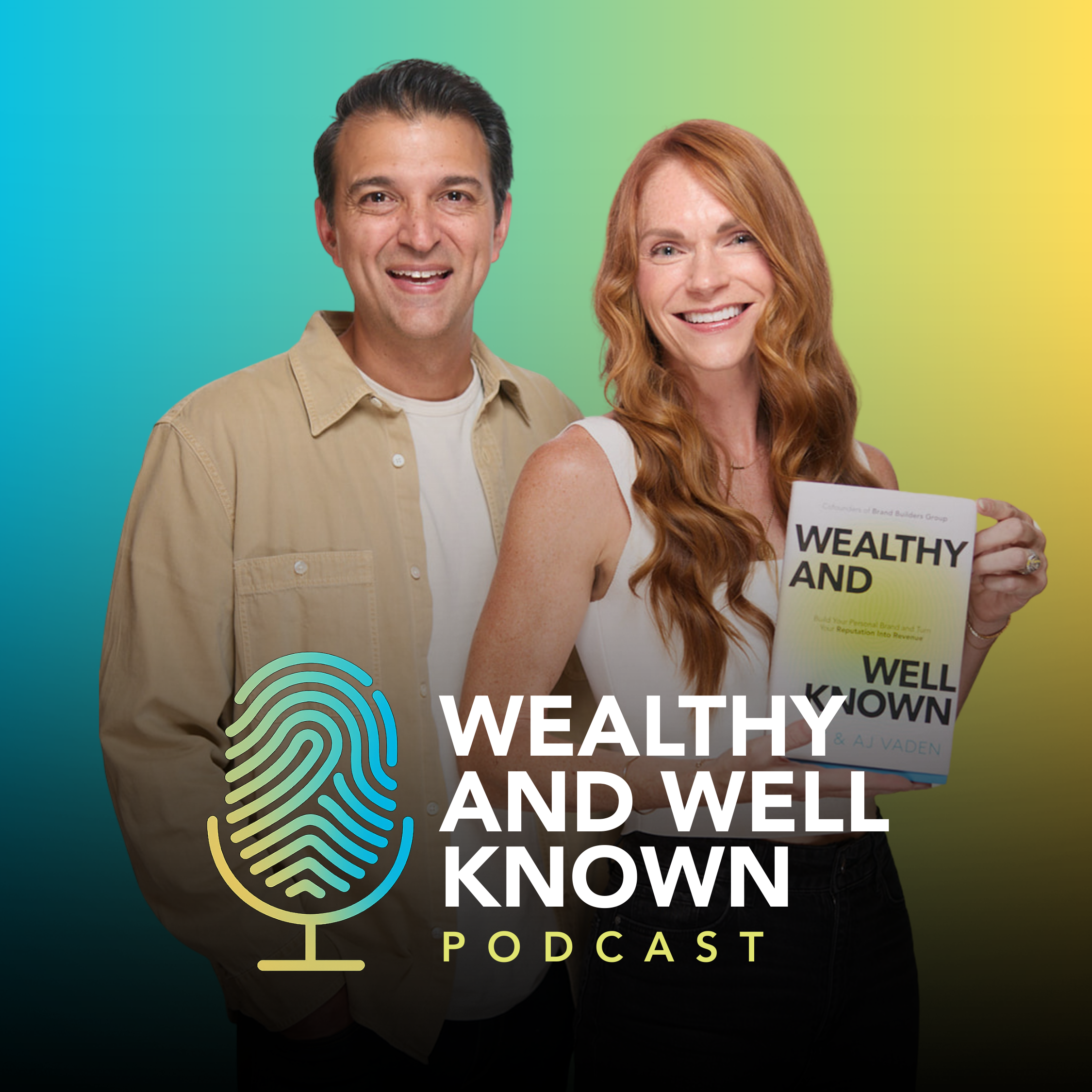
Wealthy and Well-Known Podcast
Rory & AJ Vaden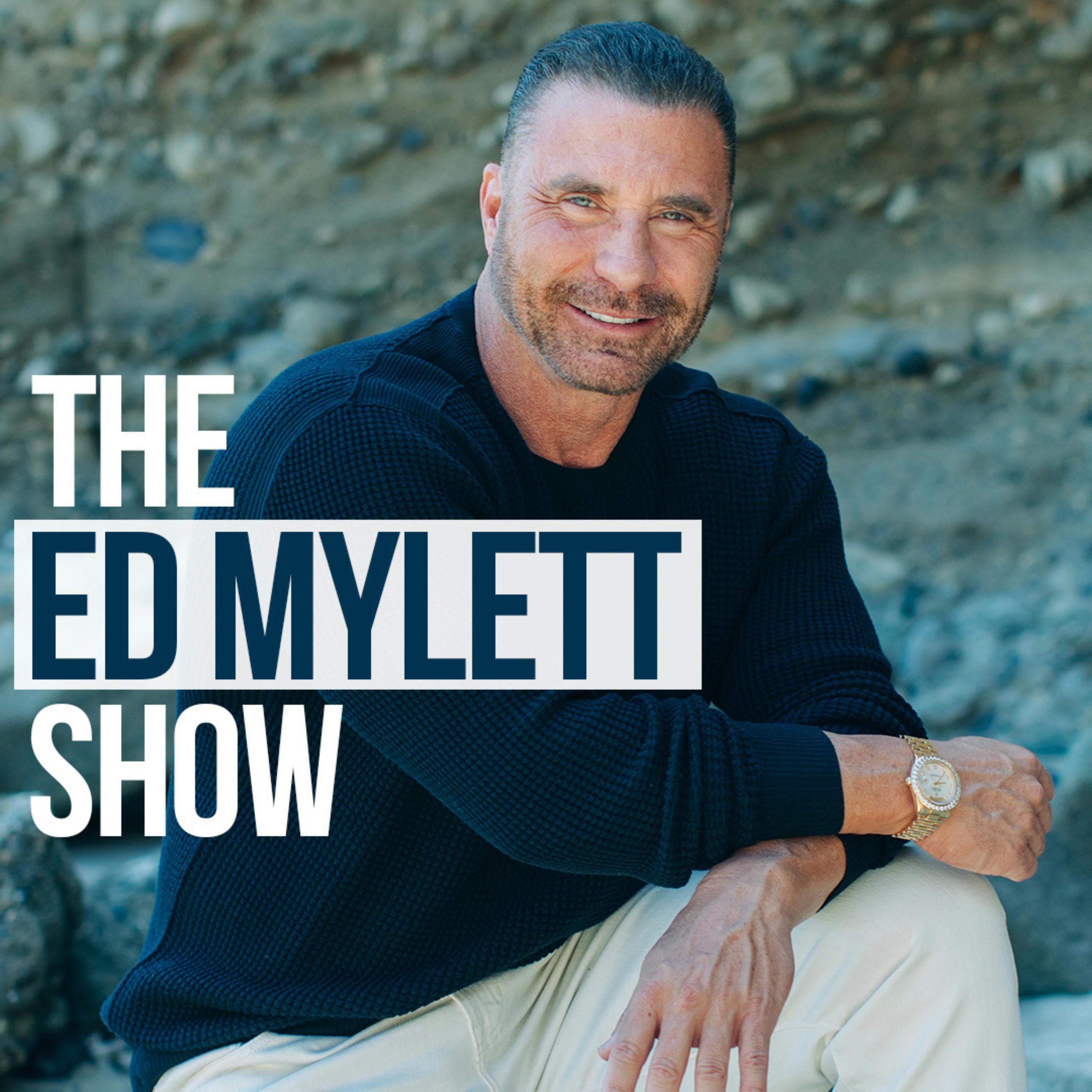
THE ED MYLETT SHOW
Ed Mylett
The Burn Podcast by Ben Newman
Ben Newman
GrowLeader Podcast with Chris Hodges
Chris Hodges