
The Uncommon Leader Podcast
Are you ready to break free from mediocrity and lead an extraordinary life? Join us on The Uncommon Leadership Podcast as we explore the power of intentionality in personal and professional growth. Our podcast features insightful interviews with inspiring leaders from all walks of life, sharing their stories of overcoming challenges and achieving greatness.
Discover practical strategies to:
- Think positively and cultivate a growth mindset
- Live a healthy and balanced lifestyle
- Build your faith and find inner strength
- Read more and expand your knowledge
- Stay strong in the face of adversity
- Work hard with purpose and passion
- Network effectively to build meaningful relationships
- Worry less and focus on what matters
- Love always and make a positive impact
In each episode, we'll dive into relevant leadership topics, share inspiring stories, and provide actionable steps you can take to elevate your life. Whether you're a seasoned leader or just starting your journey, The Uncommon Leadership Podcast offers valuable insights and practical guidance to help you achieve your goals and live your best life.
The Uncommon Leader Podcast
"Best of the Uncommon Leader Podcast" - Episodes 6 through 10
Use Left/Right to seek, Home/End to jump to start or end. Hold shift to jump forward or backward.
Welcome back for another episode of the "Best of the Uncommon Leader Podcast", where I take a listen back on the last five episodes and choose some of the top uncommon responses that I know will interest you, the listener. I had a really diverse and fun set of interviews with:
- Pastor John Sharp
- Neurologist George Palma, MD
- Engineer and Director of Quality David Campbell
- Executive Coach Bill Hart
- Personal Trainer Margaux Bellinger
All of them are Uncommon Leaders that have had an impact on many lives, including mine. If you want to hear their entire episodes, you can find them on my website
Thanks for listening in to the Uncommon Leader Podcast. Please take just a minute to share this podcast with that someone you know that you thought of when you heard this episode. One of the most valuable things you can do is to rate the podcast and leave a review. You can do that on Apple podcasts, or rate the podcast on Spotify or any other platform you listen.
Did you know that many of the things that I discuss on the Uncommon Leader Podcast are subjects that I coach other leaders and organizations ? If you would be interested in having me discuss 1:1 or group coaching with you, or know someone who is looking to move from Underperforming to Uncommon in their business or life, I would love to chat with you. Click this link to set up a FREE CALL to discuss how coaching might benefit you and your team)
Until next time, Go and Grow Champions!!
Connect with me
We'll come back for another episode of the best of the uncommon leader podcast, where I take a listen back on the last five episodes and choose some of the top uncommon responses that I hope add value for you. I had a really diverse and fun set of interviews with a pastor and neurologist and engineer and executive coach and a personal trainer over the last five apps. All of them uncommon in their own respects. So let's take a listen to some of the top responses that I had In episode six, I had passed your friend and character coach Johnson. And I asked him if he had any suggestions for adults in influencing our youth who are really afraid that they didn't know what to say. He had a great response. Here's what he had.
John SharpI know a lot of times just someone feeling like they don't have the right information, they don't have all the answers. They don't feel like they could write a curriculum or a program may keep them from participating. And I just challenge people. You know what students just care that someone else cares about them. And, and our amount adults that you have decades of experience, life experience that these students could could learn from that these students could maybe glean some insight from and help them and their next step of their journey or help them not make a mistake. And it's really cool too. You know, to be talking with a team and to think back of a moment in my athletic opportunities in high school, maybe maybe a specific failure or a challenge and you know, how we overcame or what we learned, or maybe even reminding them that, that a loss of a game or a losing record in a season will not define you and your future. As a matter of fact, one of our pastors shared a couple of weeks ago and a message that our past failures don't determine our future potential. I think if adults could just pour into students, even a nugget like that, your, your, our, our team's past failure does not determine your future potential. You would put great, great, great contributions into students of today. And you know, another thing I love doing is just being able to work with adults and coaches and to see the, impact that we can make in, in other adults lives around this as well.
Episode seven was a real jam with Dr. George Palmer. No physicians are trained to be individuals. No doubt about it. When they become leaders, they face challenges. And they're not sure they're not natural in terms of being leaders and they aren't trained to do that very well. So it takes work on their. No doubt Dr. Palmer was challenged when he was asked to lead a large project, a very important project that impacted patients, and he had to deal with a cross-functional team. I asked him what challenges he faced and how he overcame those challenges and implementing that large project. And here's what he had to say.
George PalmaWell I basically, and, and, and I basically had to learn how to accept other people's expertise. You know, I, I, I was a board certified neurologist. I had so many years of education. And if you've known any physicians besides me, you will know that we are, we like to be autonomous. We like to set the path. We like to give the orders and write down the rules. So here I am. And you know, I'm, wasn't too far off that model. So here I am with a diverse group of, of, of, of stakeholders and participants. And, and I had the, the hardest thing was to let go of what I, what I would prescribe and allow them to, to, to help me figure out the right way to do it.
Episode eight was a real gift for me, and I know it was for the listeners as well. Episode eight has been my most downloaded podcast so far. I had a chance to speak with my best friend engineer turned uncommon leader, Dave Campbell. He talked about being intentional at not only developing himself, but also developing the members of his team and not relying on someone else or some other organization to train his leaders. I thought his response was truly on. Yeah
DaveSo I had an opportunity about two years ago to move into a new role. And I looked at this as kind of this opportunity to experiment with developing my team. Right. I had moved from a job where I had just a couple of direct reports and was developing myself and getting very intentional there. And then I moved into this new team where I have six direct reports and a team of about 250 people. And I said, you know what, this time I'm actually going to get intentional. Being kind of a hands-on leader and working on their personal development. And, you know, just looking back at my career, the development side of our yearly objectives, for example, was always like, Hey, what class are you going to take and sign up for one or two classes. And, you know, as I progressed through my career, I never saw that actually changing. And I thought to myself, what if I take a different approach here? And what if I work with my team? And not get them to sign up for a class. So what if I actually get involved on a regular basis with my team to work on their development? And it's been you know, a fantastic gift for me personally, because it's really motivating to watch my team. So what we do now is every other week at six 30 in the morning, we do a mastermind or a book club, if you will. And we're all studying the same thing. And it's not really about me teaching about the book or then teaching about the book. It's really about creating situations where we can read a similar message and then have a really great conversation about what we think about it, or what resonated with the team or. You know, what they took away from it, what can they apply? And it's been you know, really eyeopening, right? Because you come in every year, another week and you have these conversations. And what I'm finding is it's actually driving their engagement. You know, people are excited to come in and talk for hour about something other than work necessarily. You know, a lot of times our conversations stood down a little bit of a personal path or they head down all work, you know, so. A wonderful opportunity for you to start out with what's foundational in leadership, then that's building relationships with your team and then also help giving them some information that can help them develop on a personal level. And the feedback that I've gotten has exceeded any of my initial expectations. Like, like I said, it was a little bit of an experiment for me, but then as I start getting this feedback, wow, it's so fulfilling to hear someone say, you know, I look forward to that class. You know, I'm taking what you, what, what we're studying right now, especially in the comic habits book that we're reviewing right now, this is, this applies to me, or this is how it affected my family, or this is how I can be better at work. So like I said, it's kind of been a gift for me because helping my team become better leaders is really rewarding. And then now what they're actually doing is they're doing the same thing with their teams. So this is really starting to grow exponentially. Where you're, you know, you're getting the benefit of employee engagement and you're driving this culture of continuous learning, you know, in our company always talks about continuous improvement and what a wonderful way to think about it and say, Hey, what about continuous improvement of yourself?
And episode nine, I was fortunate enough to get a chance to chat with coach bill Hart. Coach bill has over 17,000 hours in the coaches seat and almost 20 years of experience in executive coach with building champions now with movement. Coach bill went all in during his conversation with me and finished with a powerful call to action. Let's hear what he had to say. I think it would say slow down, get clear, work hard. I think right now, John, we, everybody that I'm connected with is running so hard. I think there's a lot of uncertainty and fear, obviously in this strange time that we live in this strange polarizing time that we live in. And one of the things that is very attractive to me right now at the thing I'm trying to coach my leaders on is to set some time aside and you know this cause Raymond would have coached you on this to get quiet, to turn the devices off, to just contemplate and listen. And if you can do that in nature even better, but you don't need to, you can do this a New York city with some noise canceling headphones, right? But I think that's number one. I think number one is to get quiet and listen, listen again. In my belief system, I believe if I'm going to hear the voice of God, it's only going to happen if I get quiet, but even if that's not where you're coming from, I just believe to get quiet. Listen, think plan. Hugely important. I think number two, getting clear and really understanding what, what your role looks like, what your responsibility is personally and professionally getting really clear on the few things that have the biggest impact. One of the things you must see this as a coach, but if you ask me day in and day out, you know, what, what are one of the, what is one of the common themes that you see it. I see people with task lists with 58 things on them. And three things that if they focused on those three things that would move them needle for them that day and the other 53, maybe they can be delegated. Maybe they can be moved to a different day, but focusing on the things that really matter. And then the last one is to work hard. I think it's easy to, to kid ourselves that we're putting in a lot of hours. But if you ask me about the most effective and most successful people that I've either coached or interviewed that's one of the things that they would have in common, John, is that they. Th when they work, they work really hard. And when they play, they play really hard. And I know it's easy these days to say, well, you know, it's all kind of gray. It's like, I work all the time and I, yeah, I don't, I get that. But what I'm saying is like, when you're in, be all in, right. That's the name of my podcast when you're, when you're out, like be all out. If you're. If you're on vacation, I would challenge you. Why, why is your laptop on why is your phone on, unless you're reading about some ruins that you want to go to or something or using ways to navigate, but yeah, it can be done. I I've coached plenty of seven figure earners that like shut it down when they're on vacation and their contention is, you know, what, if I lose something as a result of that, I probably didn't really have it anyway. And episode 10, I talked with my personal trainer, Margot Ballenger. I believe to be an effective leader. We have to be aware of our health and fitness for many reasons to be successful for our own personal health, but also for the health of our teams, our families and our communities. But it's the first step that leaders are, are nervous to take. And I asked Margo how she suggests people take that first step. Here's what she had to say. My advice is to just go do it and let's do it, you know at Nike can sponsor me. That would be fine. Yeah, it's a cliche. I mean, it is a cliche to be looking at it, but the fact that as you got to get in the arena, I mean, you have to do something, pick the first date up or whatever it's going to be walk the first mile, whatever it is. Exactly. So story that kind of works with that is a week or two ago, I, there were two girls that were coming into mine. And they were signing up for one of our fitness challenges promotions that we were doing. And and they, they were dressed when they're workout types of clothes, like, okay, great. They're going to come join our class today and they're going to have a great time. And so they're staying there. They're talking about, they're signing all their paperwork and ready to get going and everything, but then they were like, oh, well, we're not starting today. We want to start in two weeks. Well, what do you mean? You guys look like you're ready to go. I'm like, well, we're not ready because like, what do you mean? You're not ready? Like, well, we need to go. We need, like, I feel like we need to go do the elliptical and like, and get ourselves ready to come work out. It was like, well, that kind of defeats the whole purpose, doesn't it? I mean, you're here and you're ready to go, but clearly your mindset's not there. So as I'm talking to them, I'm telling them, well, the only way that you're ever going to be ready to go, or is it just. You guys, you walked in the door, you're already here. Now's the time. You're never going to be fully prepared to go work out at the gym, especially if you're just starting for the first time. It's not going to be easy. No one's ever going to tell you, oh, this your first workout. It'll be easy. It will be fine. I'm never going to tell you that it's always going to be hard, but you have to just embrace that and run with it. So, you have to tell yourself you can't ever be prepared to start. You just have to jump in and do it. I've heard it from multiple people, I need to go work out on my own to get in better shape so that I can have a trainer. It's like, well, but that's why I'm here. You have me so that you can get into better shape so that you can go do it on your own, right. Not the other way around. So, so that's kind of that whole. You know, getting started thing is you have to just go do it. No doubt. I had some fun with those five interviews, and I know that as the podcast continues to grow with lists, I also continue to grow and get better with some of the questions that I asked and some of the technology and sound and things like that. It's been quite a journey just in those 10 episodes so far that we've had with the podcast, but I really had fun time doing it and looking forward to the next 10 and on and on. Do you want to hear the full episodes of those leaders that I talked to today? You can visit the podcast website@wwwdotgrowingchampions.net backslash podcast for all the past episodes. You can also subscribe on your favorite platform to receive the weekly podcast when it comes out, Are you interested in being a guest or have a topic that you want to hear about? Email me, john@growingchampions.net. Thanks again for listening. And until next time go and grow champions.
Podcasts we love
Check out these other fine podcasts recommended by us, not an algorithm.
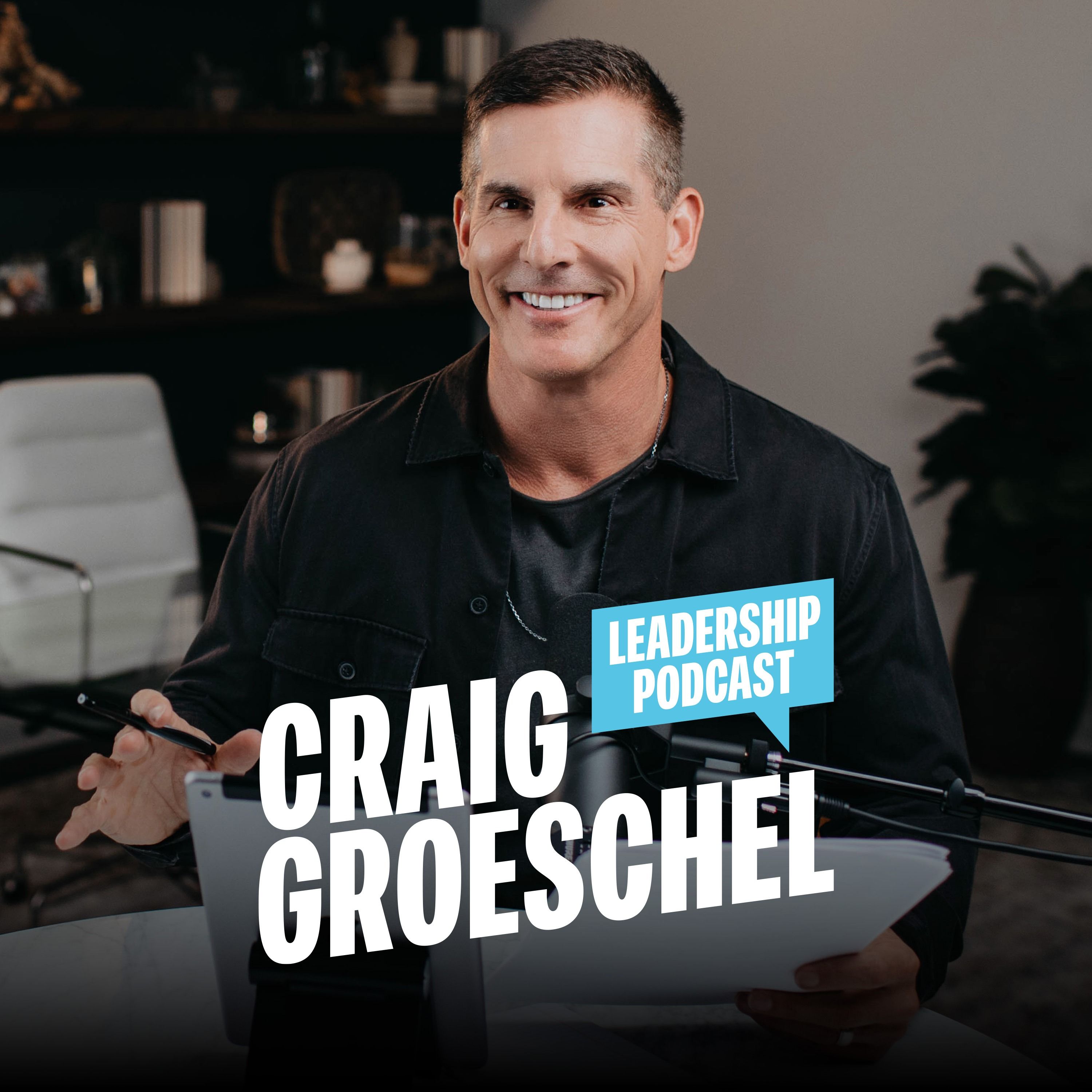
Craig Groeschel Leadership Podcast
Life.Church
Win At Home First
Cory M. Carlson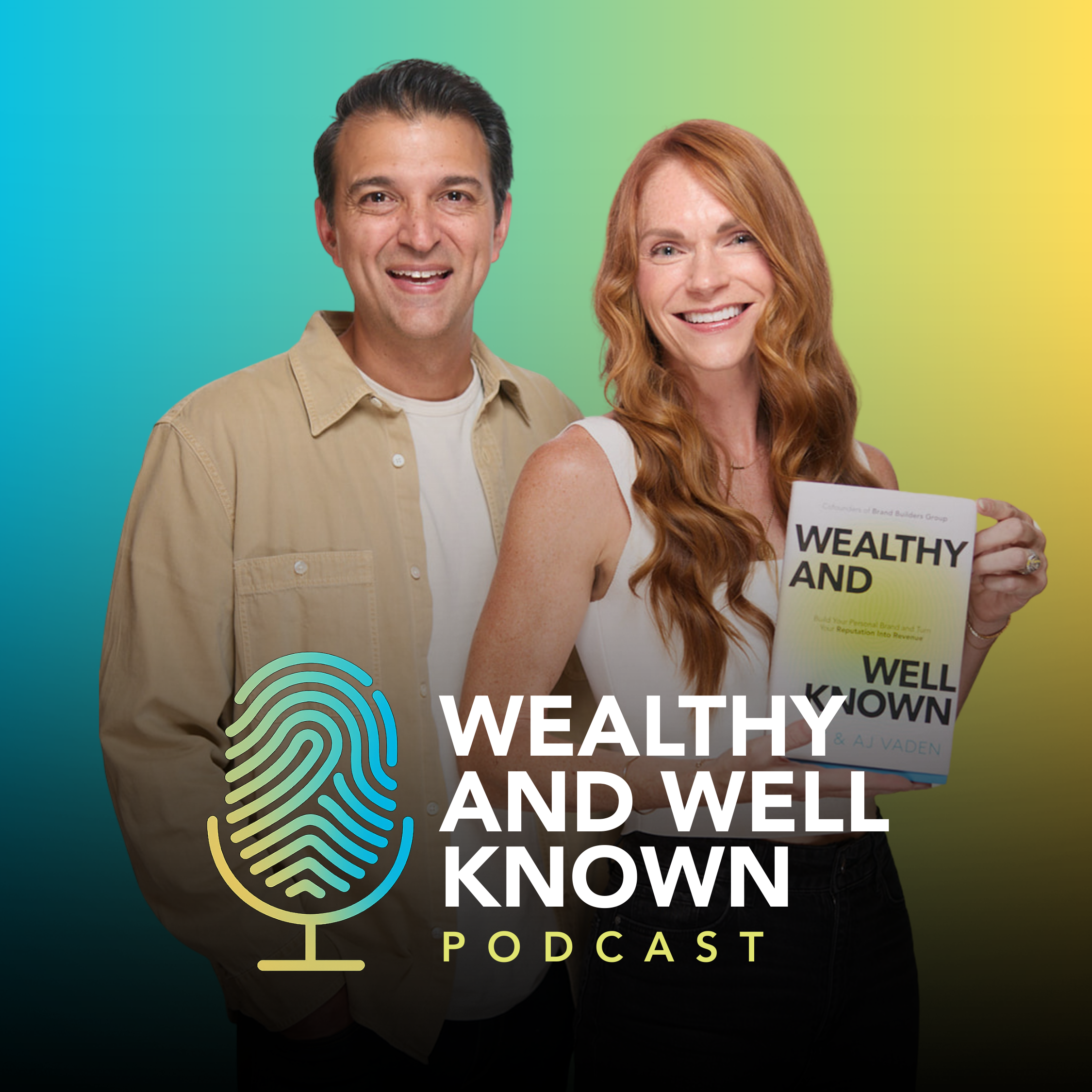
Wealthy and Well-Known Podcast
Rory & AJ Vaden
THE ED MYLETT SHOW
Ed Mylett
The Burn Podcast by Ben Newman
Ben Newman
GrowLeader Podcast with Chris Hodges
Chris Hodges